

Creamy, old-fashioned homemade mayonnaise was less a condiment and more a dressing in 1896. This "Mayonnaise Dressing I" recipe comes straight from an 1896 cookbook, reminding us that great flavor never goes out of style. Made with fresh lemon juice and extra-light olive oil, it whips up smooth, and bright, without a single preservative in sight. It’s proof that the simplest ingredients, handled with care, can still outshine anything in a jar.
What You'll Learn:
- How To Make Homemade Mayonnaise, By Hand.
- Salt: Which salt today is most like the salt of 1896?
- Special Tips to prevent your Mayo from Breaking.
- How To Turn your store-bought mayonnaise into something that tastes more like it's made from scratch.
Then & Now - Updating The 1896 Recipe
I'm using the recipe for Mayonnaise Dressing I. from The Original Boston Cooking School Cook Book, by Fannie Farmer. 1896

As many or even most of the recipes from this time period, the instructions can be confusing. The ingredients list calls for 2 Tablespoons lemon juice and 2 Tablespoons vinegar. However, in the instructions it says "thin with vinegar or lemon juice." You have to choose one. It should say, "Or" on the same line in the ingredients list. I made it with both and it had about two Tablespoons too much acid so I knew this needed to be re-written for clarity.
I'm re-writing the recipe list and the instructions to make it clearer.
I'm keeping all of the ingredients the same because the result is a bright and fresh tasting creamy mayonnaise. Plus, I want to keep it true to the original from the late 1800s.
The original recipe says to use a "silver fork, wire whisk, small wooden spoon, or Dover Egg-Beater." I was searching through my collection and discovered that I don't actually have a "Dover" brand egg beater. They are a slightly more rustic version of my collection below.
I do have multiple old time egg beaters but my favorite is the Modern Day OXO Egg Beater. I've had mine for over a decade and it's one of my Top 10 Must Have Kitchen Tools.
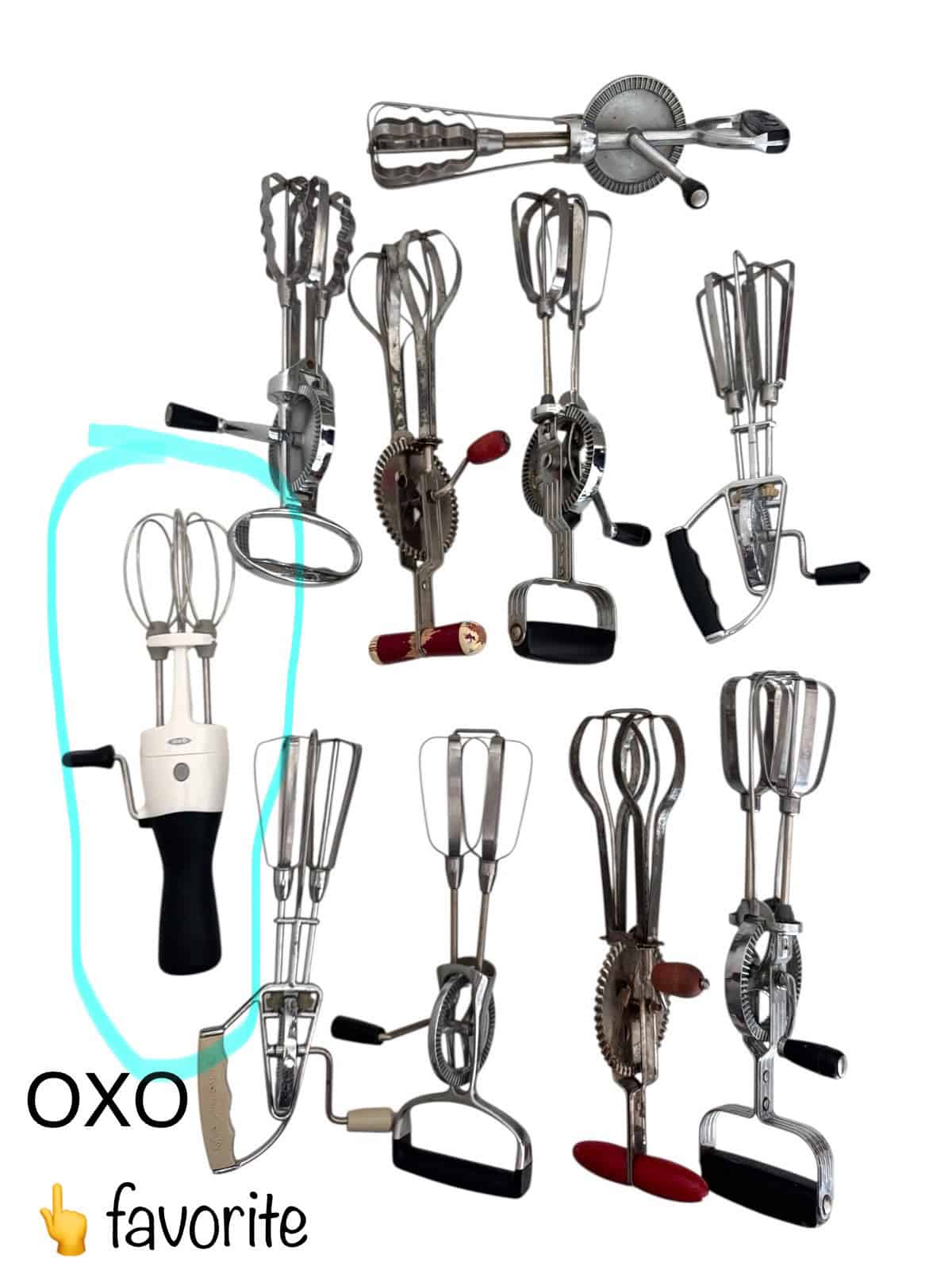
If you would like to have one for yourself, click here on my Amazon Affiliate Link. OXO Good Grips Egg Beater (This just means I may receive a small commission at no extra cost to you.) I know you will love it as much as I do. It's great for kids in the kitchen because they can mix up recipes without the electricity.
Ingredients For Mayonnaise Recipe from the 1800s.

Let's Talk About Salt For a Minute
Regular iodized table salt wasn't around until about 1924. Salt of the 1890s was usually sold in a bulk sack, not neat little shakers. Cooks would store it in salt boxes or salt cellars near the stove to keep it dry.
The everyday kitchen salt equivalent would be:
- Coarse Sea Salt (any unrefined sea salt with a mild color. Has natural minerals like the unrefined salts of 1893)
- Pickling or Canning Salt (like Morton Canning & Pickling Salt) Pure sodium chloride, no iodine, no anti-caking agents. This is almost exactly like late 1800s kitchen salt.
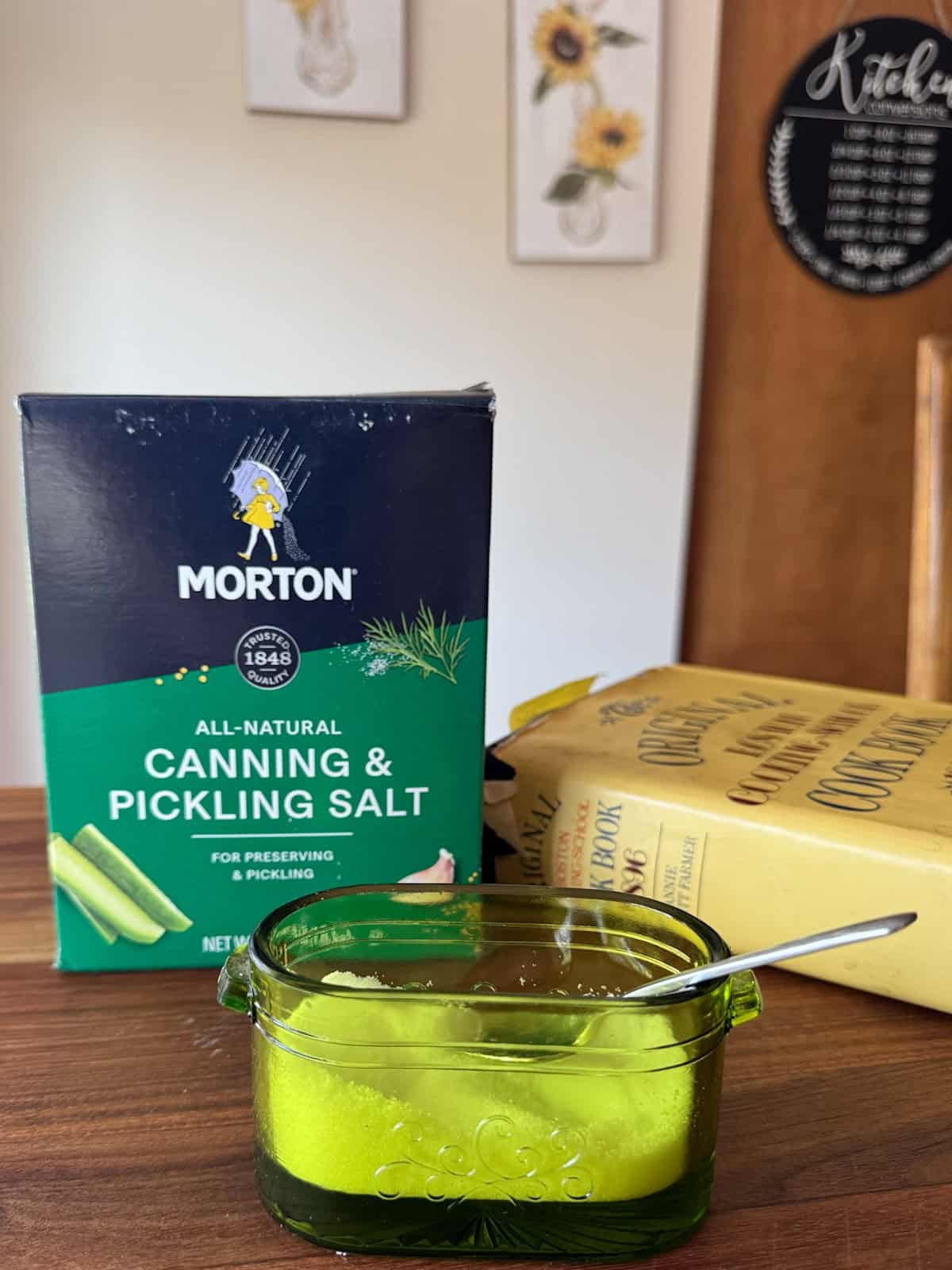
I keep mine in this little uranium glass jam jar next to the stove. I am currently on the lookout for a perfect small salt box, so let me know if you see a special one. I still use Iodized salt but sometimes I like to use this now. It's very SALTY! 🙂 It's also very inexpensive for that huge box. I got it at Wal-Mart right off the shelf.
Homemade Mayonnaise Overview
Be sure to watch me make it in the Youtube video below!
Step 1: Make sure all of your ingredients are cold. Cold oil, cold eggs, cold lemon. Uses fresh lemon juice or white vinegar, not both. I like lemon juice.

(Just the yolks)

Step 2: Starting at first, with a couple of drops, very slowly pour in the oil as you whisk. This is so slow, it will take about 20 minutes to add all of the oil correctly. It's nice to have a helper to drizzle while you whisk. I use an old olive oil can to control the pour. About a Tablespoon at a time is perfect drizzle.

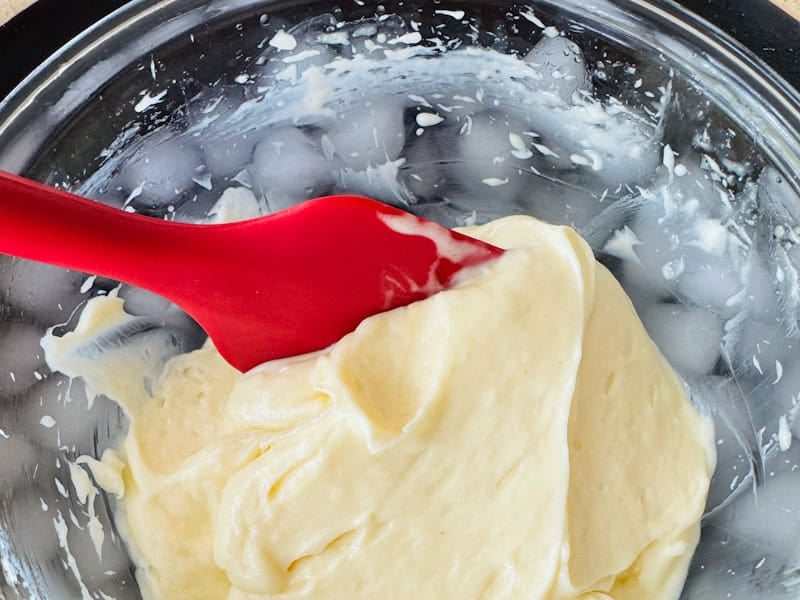
Step 3: It won't "break" if you keep everything cold and add the oil in slowly. "Breaking" is when the mixture separates ands gets a curdled appearance.
Notes and Tips
- Use light olive oil and not extra virgin olive oil when making mayonnaise. Extra virgin has a stronger, sometimes bitter flavor. I tried one brand that was "Organic" and wasn't happy with the aftertaste. My favorite one right now, is very basic, reasonably priced, and found on most grocery store shelves. Filippo Berio Extra Light Tasting Olive Oil. The bottle says, "Since 1867" so it's safe to say a lot of mayonnaise has been made with it over the years.
- Stick it in the fridge an hour before you make the mayonnaise. It's okay if it gets a little bit thick and cloudy. You can also use regular flavorless Vegetable Oil.
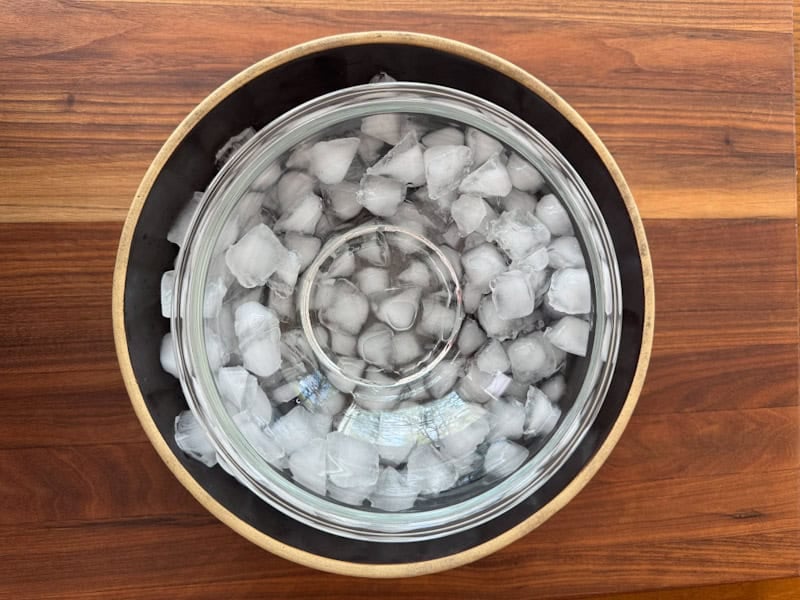
- It is important to keep everything cold while whipping up the mayo. Chill the oil ahead of time and use the two bowl method of one smaller bowl placed in a larger bowl of ice. (See video for details.)
What Does Homemade Mayonnaise Taste Like?
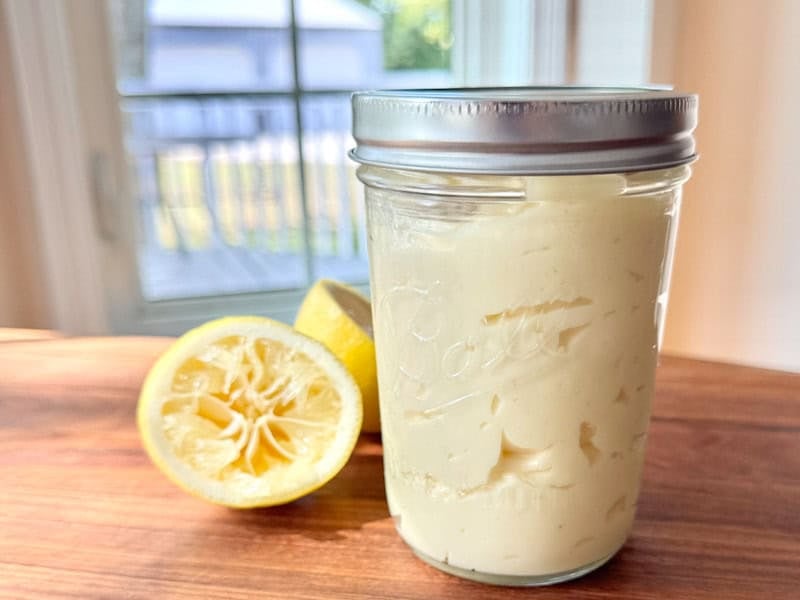
Old Fashioned Homemade mayonnaise tastes a little different than commercial jarred mayo like Hellman's, Duke's, or Kraft. It has about the same consistency however once it is added to other foods it immediately thins out a bit.
Depending on what type of oil you use, it taste a little bit like Miracle Whip and Mayonnaise combined into one, and less sweet. We have evolved to have a sweeter tooth since 1896, so you could increase the sugar in the recipe to your taste. Use regular vegetable oil in place of the olive oil and it's a milder tasting mayonnaise. This is the perfect mayonnaise dressing recipe for the Original Waldorf Salad.
Is It Safe To Use Raw Eggs?
Always start with clean, fresh eggs. I saw once that the dangerous part of raw eggs actually comes from the shell, not from the inside of the egg as long as the eggs are freshly stored. Most regular store bought eggs have been through a process. Make vintage recipes at your own risk.
I do have a quick recipe that can be considered "Safe" mayo. It uses Egg Beaters Pasteurized liquid eggs. Egg Beaters Blender Mayo Recipe.
Just For Fun
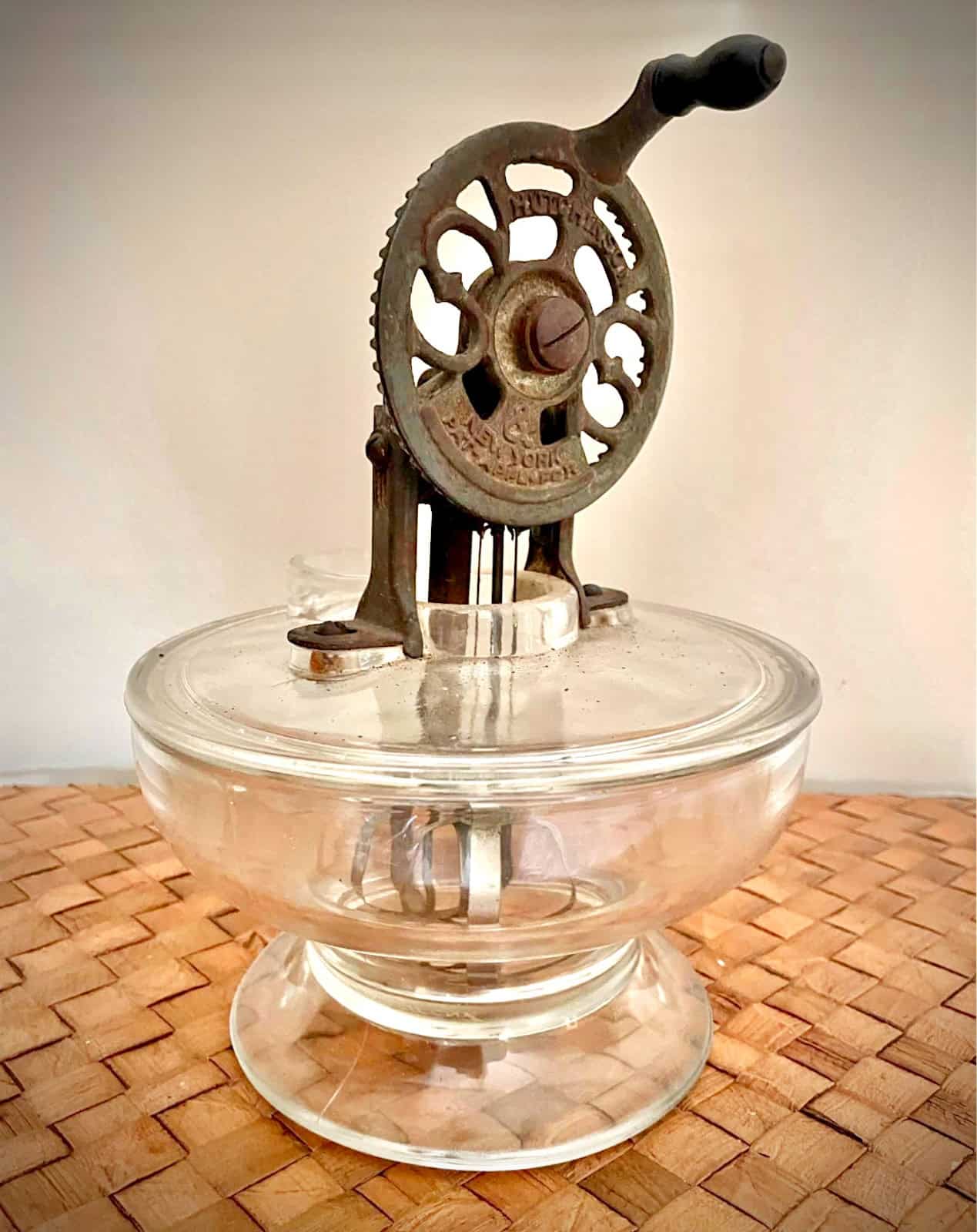
I saw this awesome device on Facebook Marketplace. For a steep $300 (reduced to $250) I decided to pass it by but wanted to show it to you. The seller didn't offer me a lower price but he did tell me I could use his photo in my post! I looked it up and sure enough, it's a mayo maker that slowly drips the oil into the ingredients bowl.
Lanie's 🔅Recipe Reflections
- To keep mayo from breaking, make sure everything stays cold.
- Salt in the 1800s was less processed. Canning salt happens to be closest to what they used.
- It's a myth that you shouldn't add the flavorings (dry) at the beginning, and it's a myth that you should have everything room temperature. Eggs need to stay cold.
Short-Cut: How to Make Jarred Mayo Taste Like Homemade
It won't be exact, but mix ½ cup of regular Duke's Mayonnaise with 1 Tablespoon of Extra Light Olive Oil (not Extra Virgin) and a pinch of salt. Whisk for 2 minutes. I choose Duke's for this because it has no sugar added lending to tartness, which is most like this old fashioned mayonnaise recipe.

Extra! Extra! Read All About It! Join my free email list to receive the Newsletter and follow along on YouTube!
Homemade Mayonnaise Recipe By Hand
Equipment
- 1 wire whisk or manual egg beater
Ingredients
- 1 teaspoon ground mustard powder
- 1 teaspoon salt
- 1 teaspoon powdered sugar
- Few Grains of ground Cayenne (less than ⅛ tsp.)
- 2 egg yolks, cold
- 2 Tablespoons fresh lemon juice or white vinegar, cold (usually takes only one lemon to get 2 Tbs.)
- 1 ½ cups Light olive oil, Chilled cold
Instructions
- Place a glass medium-sized bowl, inside a larger bowl that has been filled ¾ with ice and one cup of water. This will keep the ingredients in the medium bowl cold while the mayo is being whisked.
- In the bowl, add the mustard powder, salt, powdered sugar, and a few crumbs of the red cayenne pepper. Whisk.
- Separate the two egg yolks and add yolks only to the dry ingredients. Whisk.
- Whisk in lemon juice until creamy.
- Continue mixing by hand with the whisk or egg beater. Slowly start to drizzle in the COLD oil, one teaspoon at a time and mixing continuously. The oil must be whisked in very slowly over about 10 minutes of mixing for it to fully incorporate and not "break" the mayo.*If oil is added too rapidly, dressing with have a curdled appearance.
- Mayonnaise should be stiff enough to hold its shape. It soon liquifies when added to meat or vegetables: therefore it should be added just before serving time.
Leave a Reply